






Environmental Vision 2050
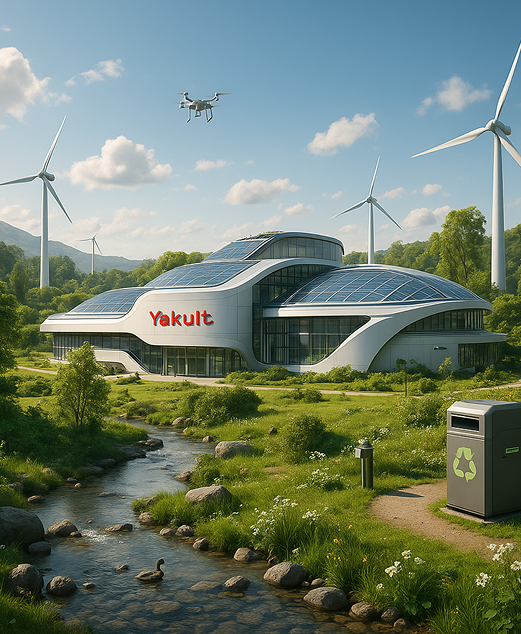
Yakult’s long-term goal is to achieve net-zero greenhouse gas emissions by 2050. This vision reflects the company’s responsibility toward future generations and the planet. To realize this, Yakult has established short- and mid-term targets, including reducing carbon emissions and promoting sustainable resource use across all its operations. The company continues to enhance environmental performance through innovation, efficiency, and accountability.
Climate Change and Renewable Energy
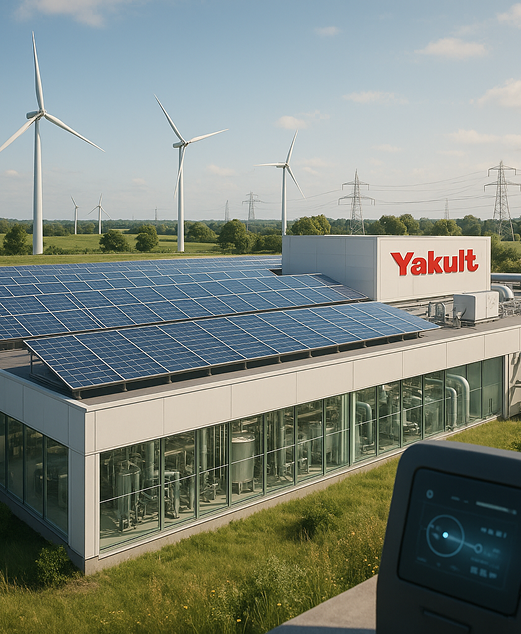
Yakult actively tackles climate change by transitioning to renewable energy sources and improving energy efficiency at its manufacturing facilities.
-
Installing solar energy systems (e.g., Yakult Danone India sources ~25% of its energy from solar, reducing ~810 tons of CO₂/year).
-
Upgrading to energy-efficient equipment and optimizing operations.
-
Expanding the use of green electricity at global production sites.

Packaging and Plastic Reduction
Yakult is working to minimize the environmental footprint of its packaging. The company is committed to reducing single-use plastic and increasing the recyclability of its containers.
Efforts include:
-
Reducing plastic usage by 30% by 2030.
-
Removing unnecessary packaging elements like straws in certain markets.
-
Introducing recyclable packaging materials, such as paper cartons used in Europe.
-
Recycling defective plastic bottles into useful items (like rulers or tools) in Japan.
Biodiversity and Reforestation
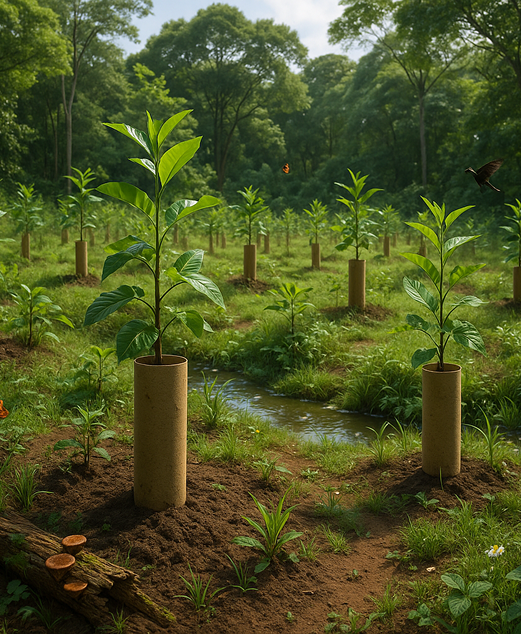
To help restore nature and support local ecosystems, Yakult has launched global tree-planting initiatives. Through its partnership with Treedom, the company has planted over 10,000 trees. These reforestation efforts not only absorb carbon but also provide socio-economic benefits to local farming communities.
Sustainable Procurement
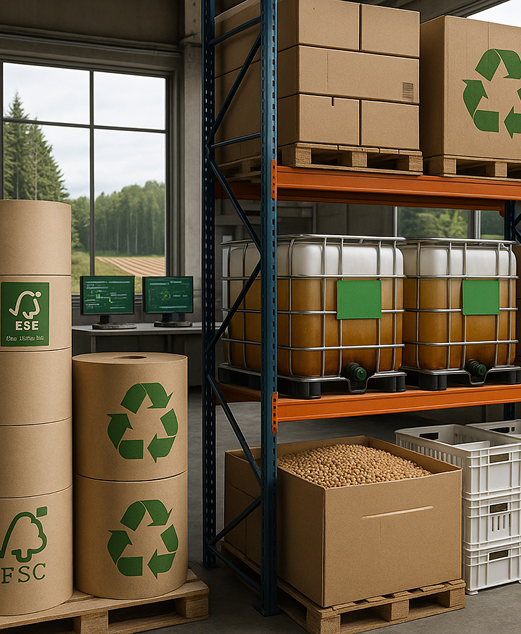
Yakult is strengthening its supply chain by ensuring that key raw materials are sourced responsibly and ethically.
By 2025:
-
All paper and pulp will be FSC-certified or made from recycled sources.
-
Palm oil will be RSPO-certified to ensure deforestation-free sourcing.
By 2030:
-
Yakult aims for full traceability of palm oil, soy, and dairy products back to their origin.
Community & Co-Creation
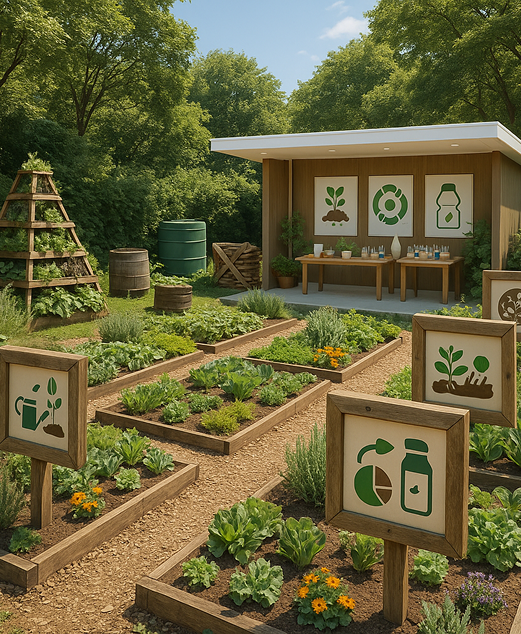
Sustainability at Yakult also means engaging with local communities. The company shares knowledge on healthy living, nutrition, and environmental practices. These activities reflect Yakult’s commitment to creating value together—with customers, partners, and society at large.